Cryostat & sample environment
Specify the required sample temperature range, holder geometry and contact arrangement. Confirm temperature control and operating conditions for the proposed cryostat.
Vectomag / Low-temperature Hall characterization
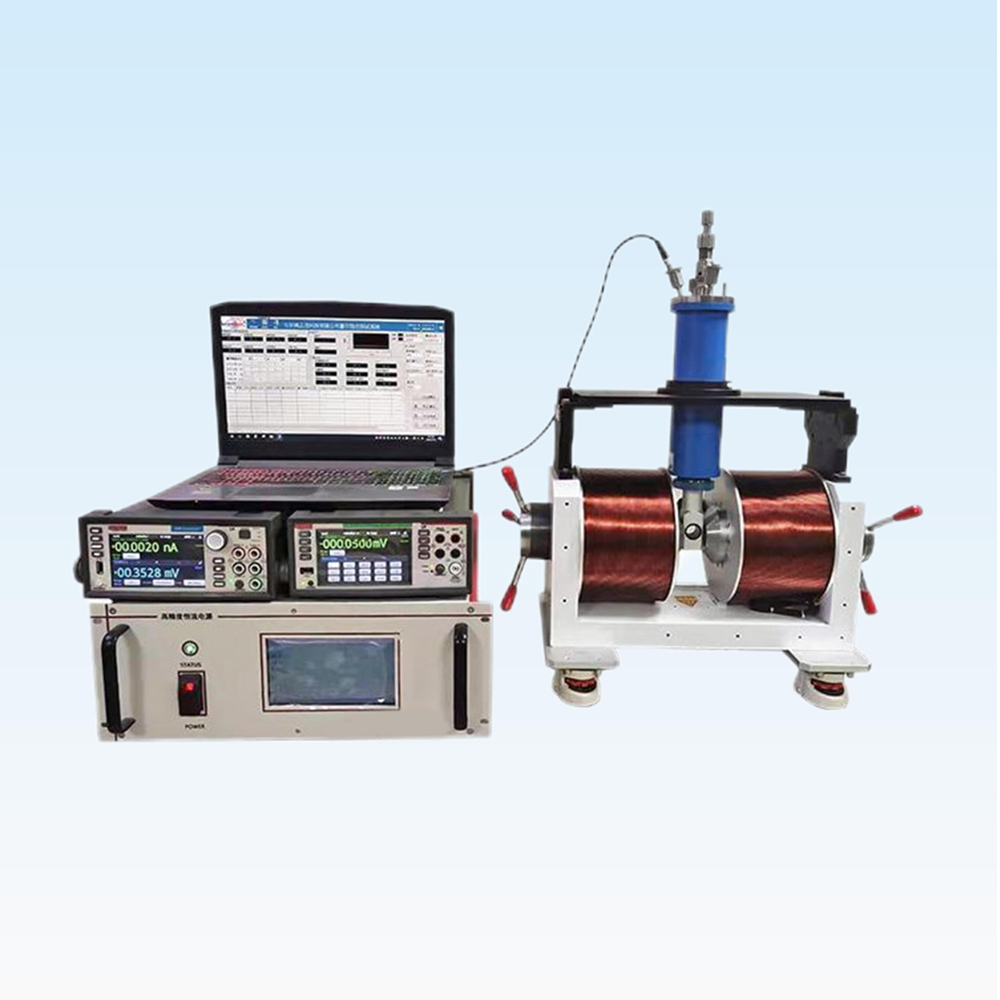
Characterize carrier concentration, mobility, resistivity and Hall coefficient under low-temperature conditions. Bring the cryostat, magnetic field and electrical measurement requirements together around your sample.
 View full-size image ↗
Measurement focus
Match the sample environment, magnet gap and electrical connections before selecting the measurement configuration.
Specify the required sample temperature range, holder geometry and contact arrangement. Confirm temperature control and operating conditions for the proposed cryostat.
Define the required field at the working pole gap, the sample space and the field sequence. Review magnet, power supply and field probe compatibility together.
Provide the expected sample resistance, measurement current and voltage signal. Discuss contact quality, wiring, switching and data requirements for the measurement.
Before requesting a quotation
A useful system proposal starts with the sample and measurement task. Include the material, contacts and required temperature and field conditions.
Send your requirements ↗Technical information
Sample temperature range, field at the working gap, current and voltage ranges, holder dimensions, wiring and software functions must be confirmed for the quoted configuration. Specify the conditions that must be met together.
Request configuration & specifications ↗The CMT-1000L Low-Temp Hall Effect Test System is designed for precise measurement of semiconductor electrical properties under low-temperature conditions. It measures critical parameters such as carrier concentration, mobility, resistivity, and Hall coefficient, providing essential insights into semiconductor behavior.
With automated data acquisition and analysis, the system simplifies complex procedures and ensures reliable results. It is an indispensable platform for researchers studying semiconductor devices and material transport properties.
Common questions
Send the material, geometry, thickness, expected resistance and contact layout. Sample mounting and contact suitability should be reviewed with the intended temperature and field conditions.
State the minimum and maximum sample temperatures, required measurement points and stability criteria. Confirm the cryostat, sample holder and temperature control configuration for those conditions.
Field capability depends on the magnet configuration and working gap. Provide the space needed for the cryostat and holder, and ask for confirmation of the achievable field at that gap.
Send sample and contact details, temperature and field requirements, expected resistance and measurement current. Include required outputs, quantity, destination and acceptance criteria.
Explore more products
Browse instruments and systems for your laboratory requirements.
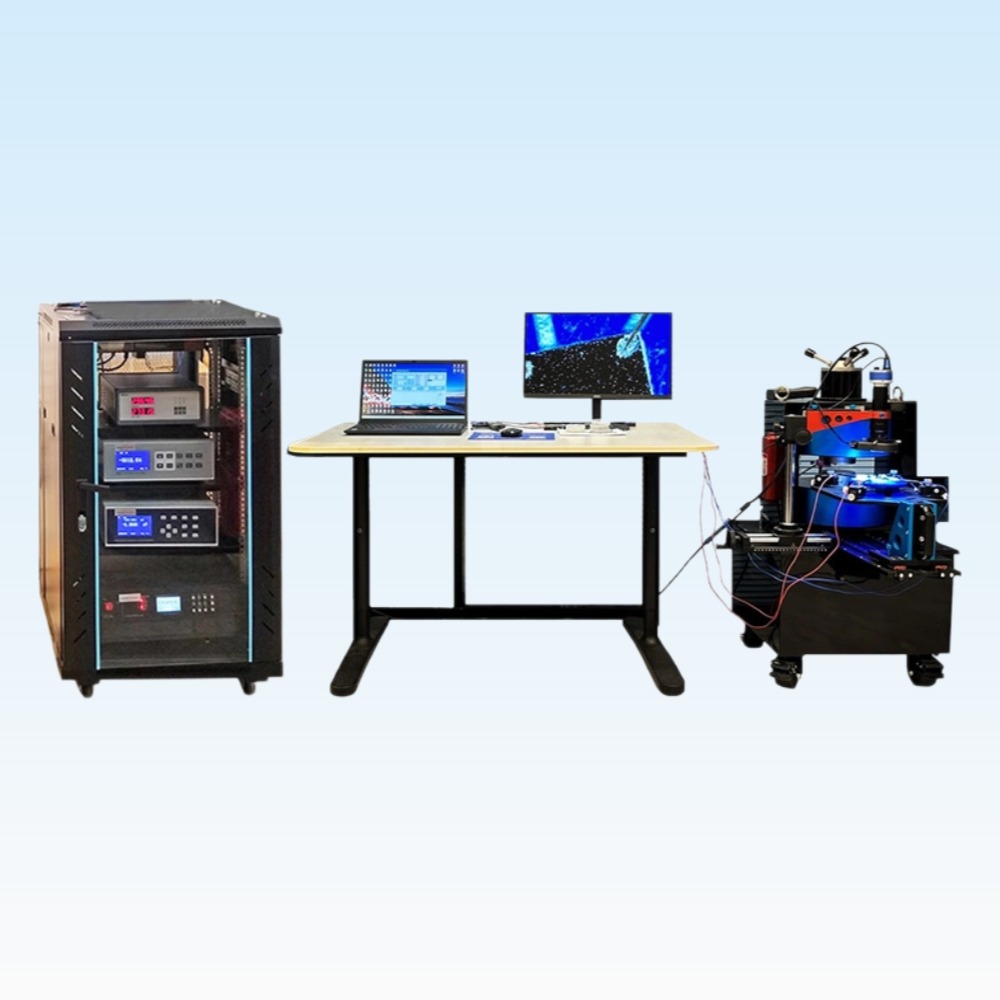
This automated Hall effect system measures carrier concentration, mobility, resistivity, and Hall coefficient with micro - probe precision and HDTV microscopy.
View product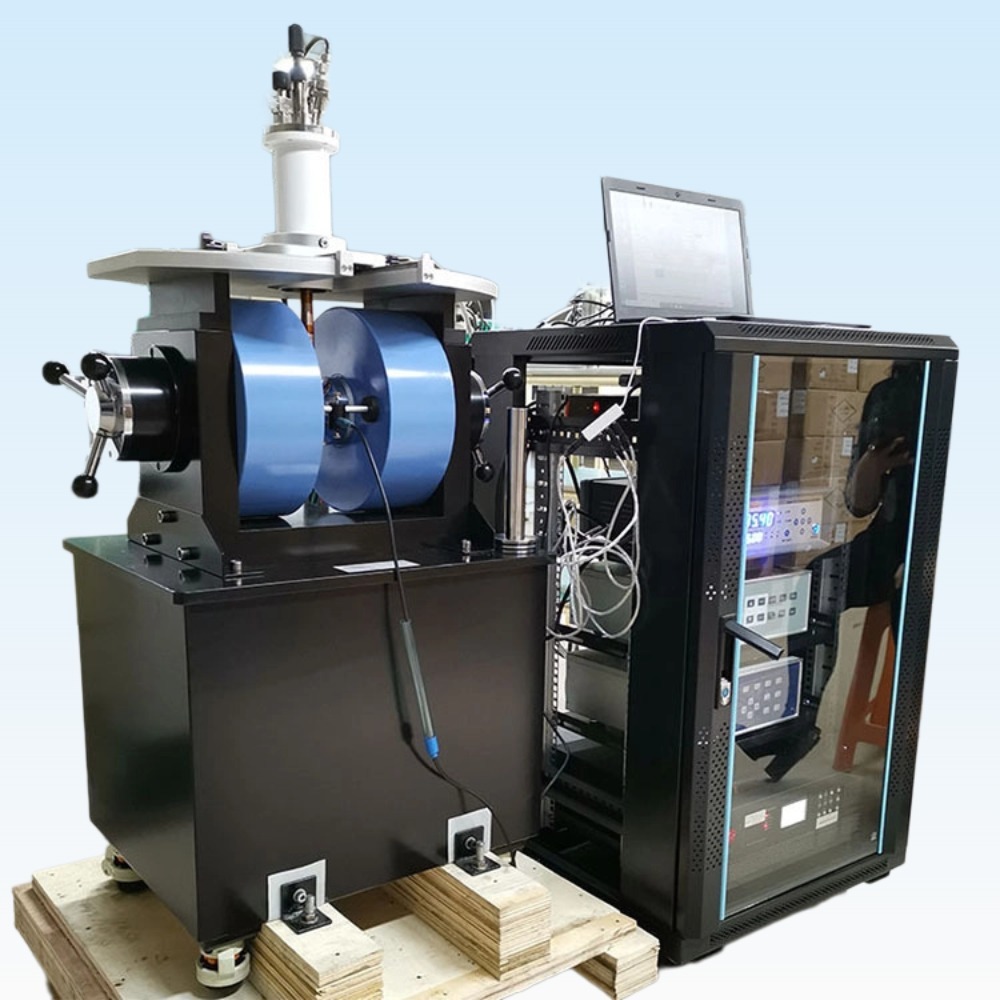
CMT-100 offers accurate Hall effect measurement with advanced components for analyzing semiconductor materials.
View product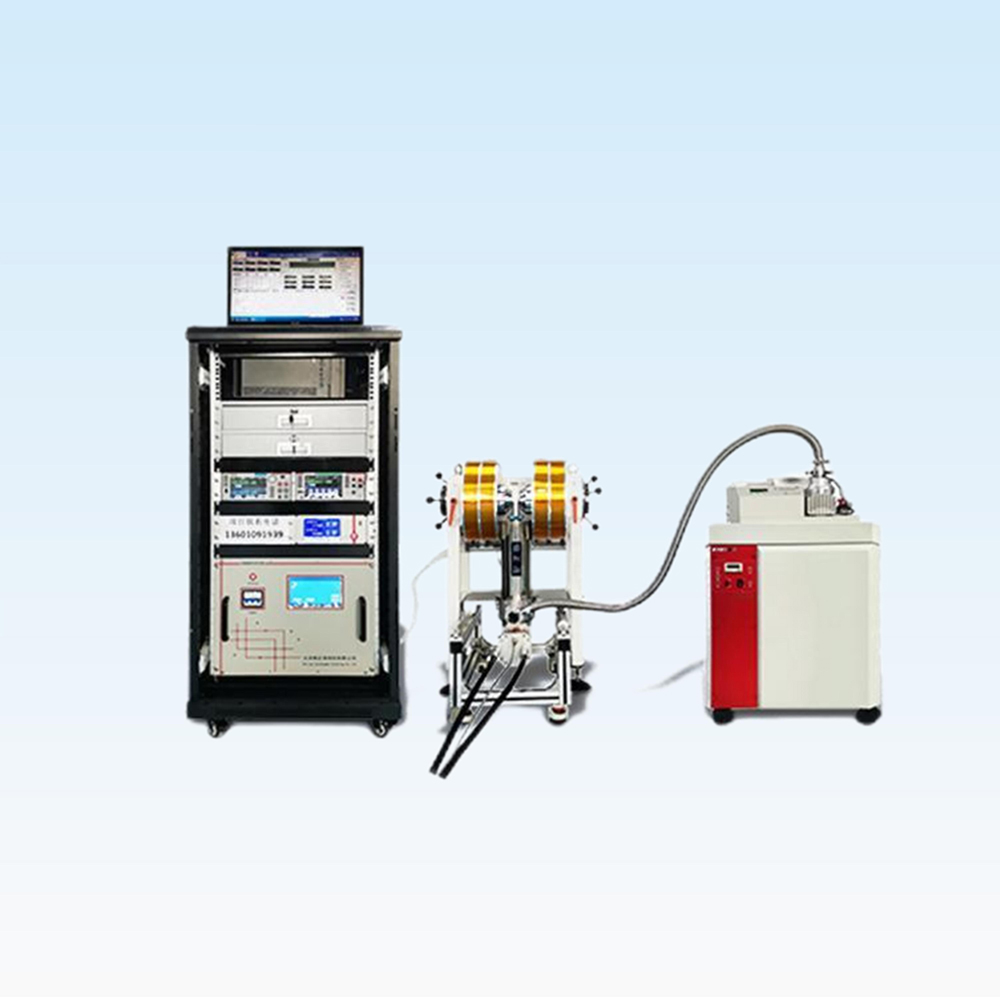
CMT-1000H is designed for Hall effect analysis at high temperatures, integrating a vacuum chamber, Gauss meter, temperature control, and magnet system.
View productDiscuss your application
Share the sample, contact layout, temperature range and required magnetic field. Request an integrated Hall measurement configuration, technical specifications and quotation.
Request a configuration & quote ↗