Frequently asked questions
Before you ask for a quote.
How long does a Hall measurement take?
Under 3 minutes, automated — the guided sequence acquires the signals, computes Hall coefficient, mobility, carrier concentration and conductivity type, and presents the results in one software environment.
What can the ET-9000 measure?
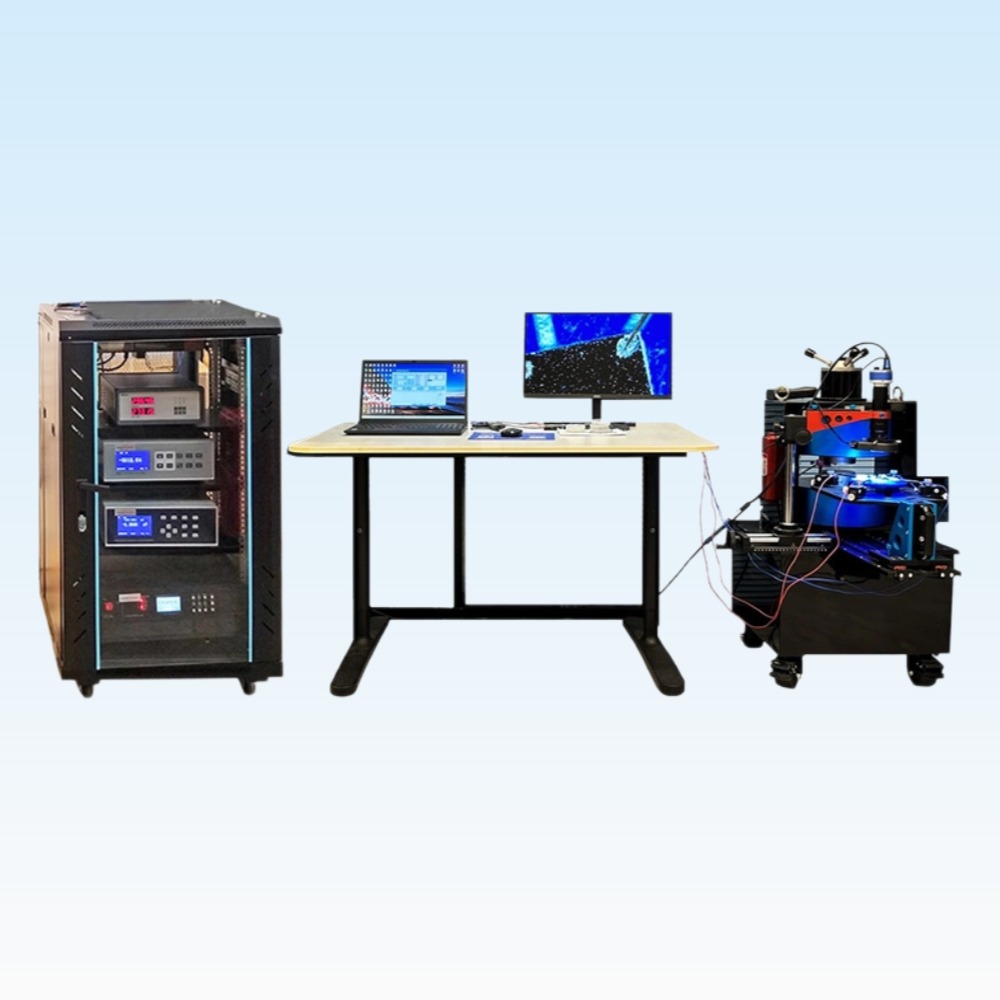
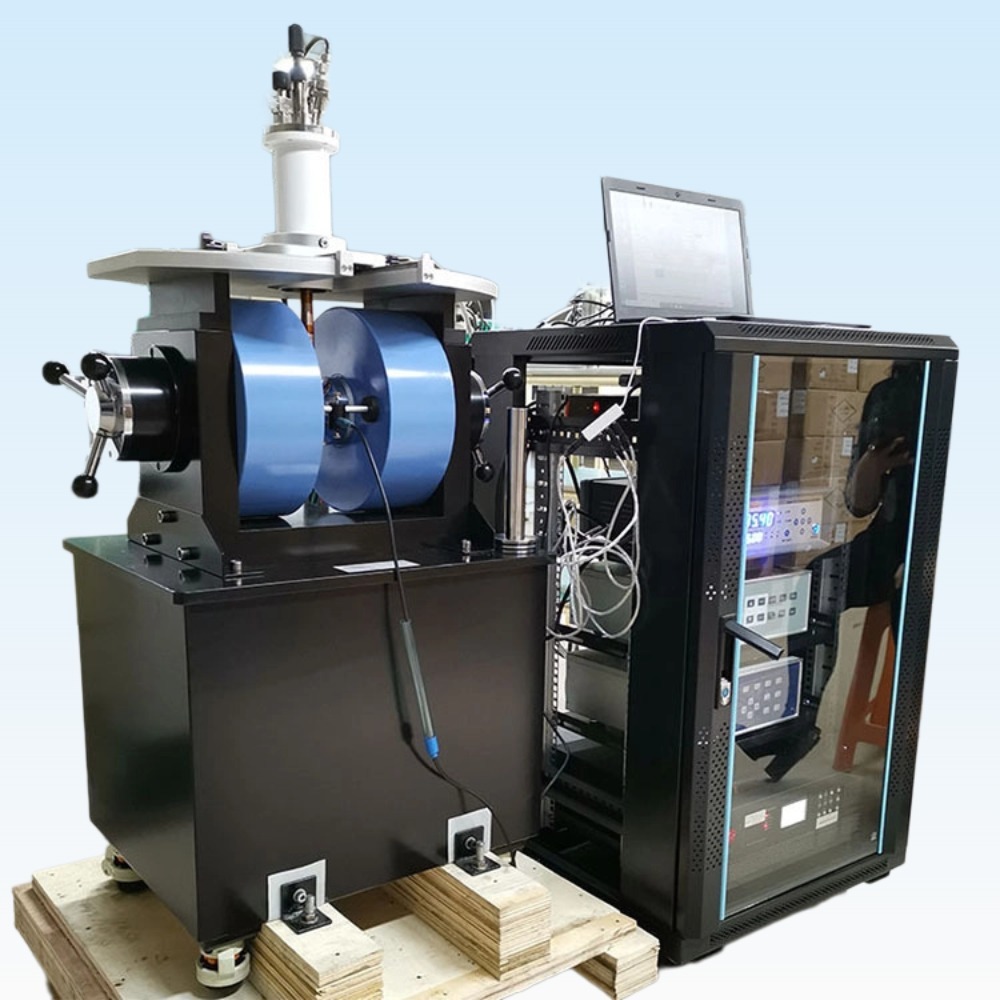
Hall effect, R-H characteristics, R-T characteristics and I-V characteristics (resistivity), plus magnetoresistance. The outputs are sheet resistance, resistivity, Hall coefficient, Hall mobility, carrier concentration and conductivity type.
What magnet and temperature options are available?
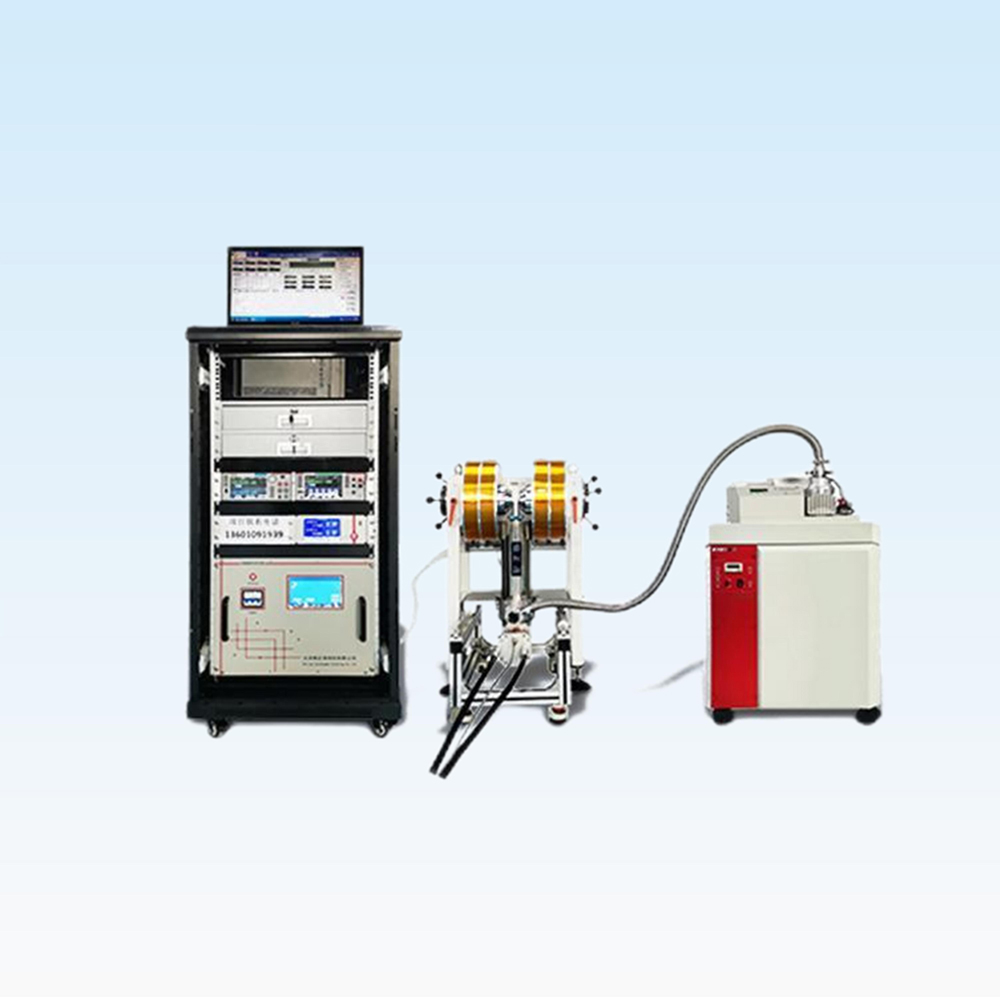
Magnet options span 5–18 T and temperature environments span 1.6–1000 K, both with cryogenic and high-temperature modules selected per configuration. Both ranges are subject to confirmation against the final technical proposal — the magnet model, field homogeneity, and temperature-module specifications are confirmed at quotation.
How many samples can it measure at once?
Up to four samples, in a modular setup. Sample size, holder type and contact method are confirmed at quotation — they are not published on this page.
How accurate are the results?
The measurement method references ASTM F76 for Hall coefficient and mobility testing — confirm the configuration first. No accuracy figures (for mobility, carrier concentration, resistivity, or Hall coefficient) and no test conditions are published for the ET-9000. Do not take accuracy numbers from other manufacturers' pages; ask Vectomag for the ET-9000 figures under your sample conditions.
Is this the same system as the “Hall Effect and Electrical Transport Measurement System (ET-9000 Series)” page?
Yes — that page described the same ET-9000 Series and now redirects here. This is the flagship page, with the structured specifications and configuration guidance. Use this page and the inquiry form here.