1. Home
  2. Products
  3. Magnetic Field Measurement Equipment
  4. Fluxmeter
  5. CMT-210B High-Precision Magnetic Flux Measurement Device

Vectomag

CMT-210B High-Precision Magnetic Flux Measurement Device

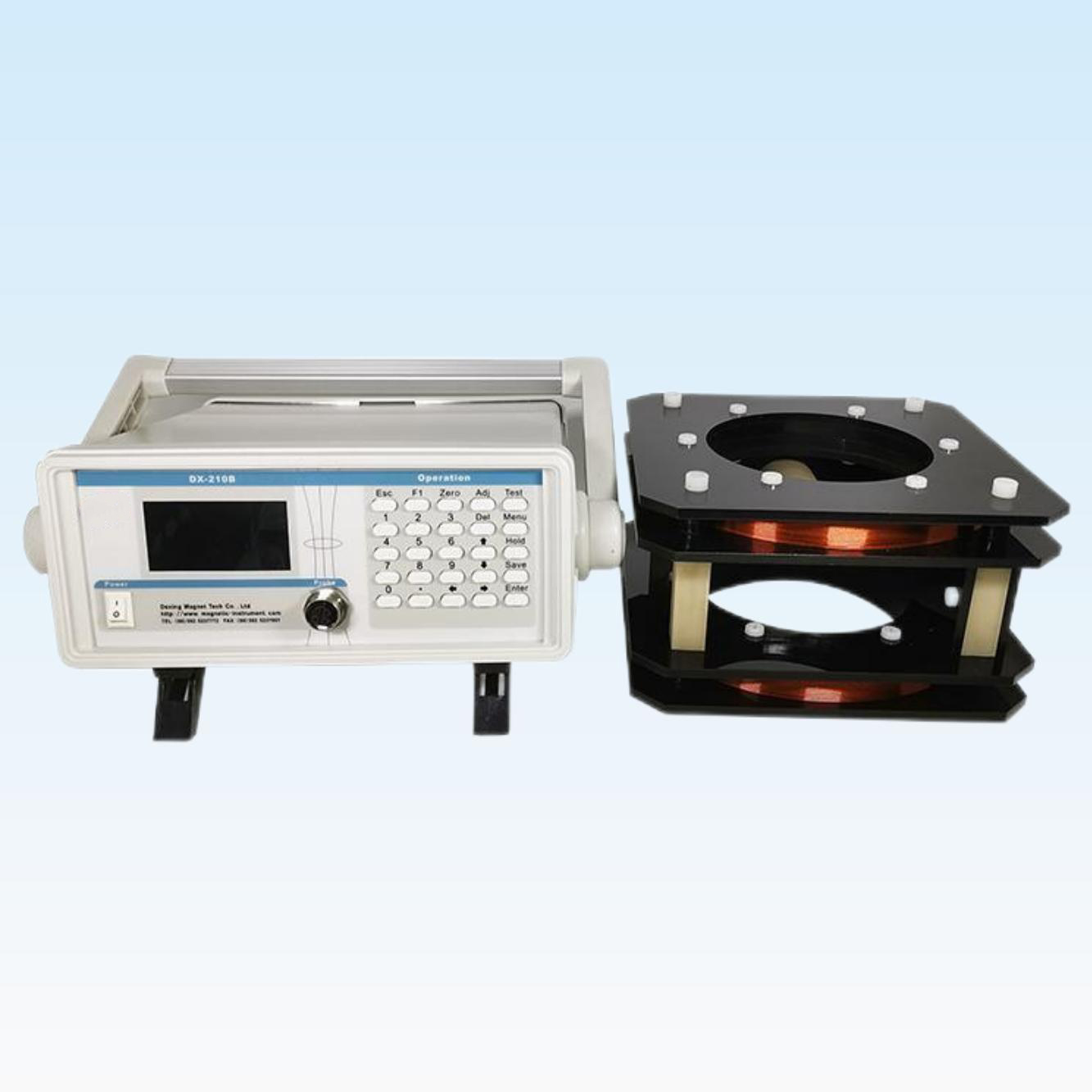
CMT-210B Magnetic Flux Measurement Device offers high-speed magnetic induction testing. Ideal for precise magnetic analysis in research and industrial applications.

CMT-210B High-Precision Magnetic Flux Measurement Device View full-size image

Selection at a glance

Measurement
Magnetic flux by induction testing
Test speed
High-speed testing
Response
Fast response
Data capture
Reliable data capture

Product overview

A fluxmeter for high-speed magnetic induction testing. Fast response and reliable data capture for precise magnetic analysis in research and industrial applications.

A fluxmeter measures magnetic flux by induction: the signal from a search coil is integrated to give the total flux.

System configuration

  • Fluxmeter (this page) + search coil.
  • A Helmholtz coil as a known-field source for verification (the related flux-density system uses one).
  • A Vectomag gaussmeter for point-field verification alongside total-flux measurement — see the Handheld Gaussmeter.

Applications

  • Magnetic flux measurement in research and industry — this page: high-speed induction testing for precise magnetic analysis.
  • Pull-through testing — flux checks where a coil or magnet is pulled through the measurement zone (CMT-201); repeatability is the stated requirement.
  • Magnetic material testing and QC — flux measurement in material testing environments (CMT-220A) and materials research/QC (related flux-density system).
  • 3D flux mapping and vector field analysis — laboratory and industrial 3D flux mapping (CMT-330A).
  • Thermal flux-loss testing — measuring flux and flux-density loss at varying temperatures (related flux-density system).

Choosing a fluxmeter — the Vectomag range

The list below compares the four fluxmeters in the Vectomag range, plus the related flux-density system, using only what each product's own overview states.

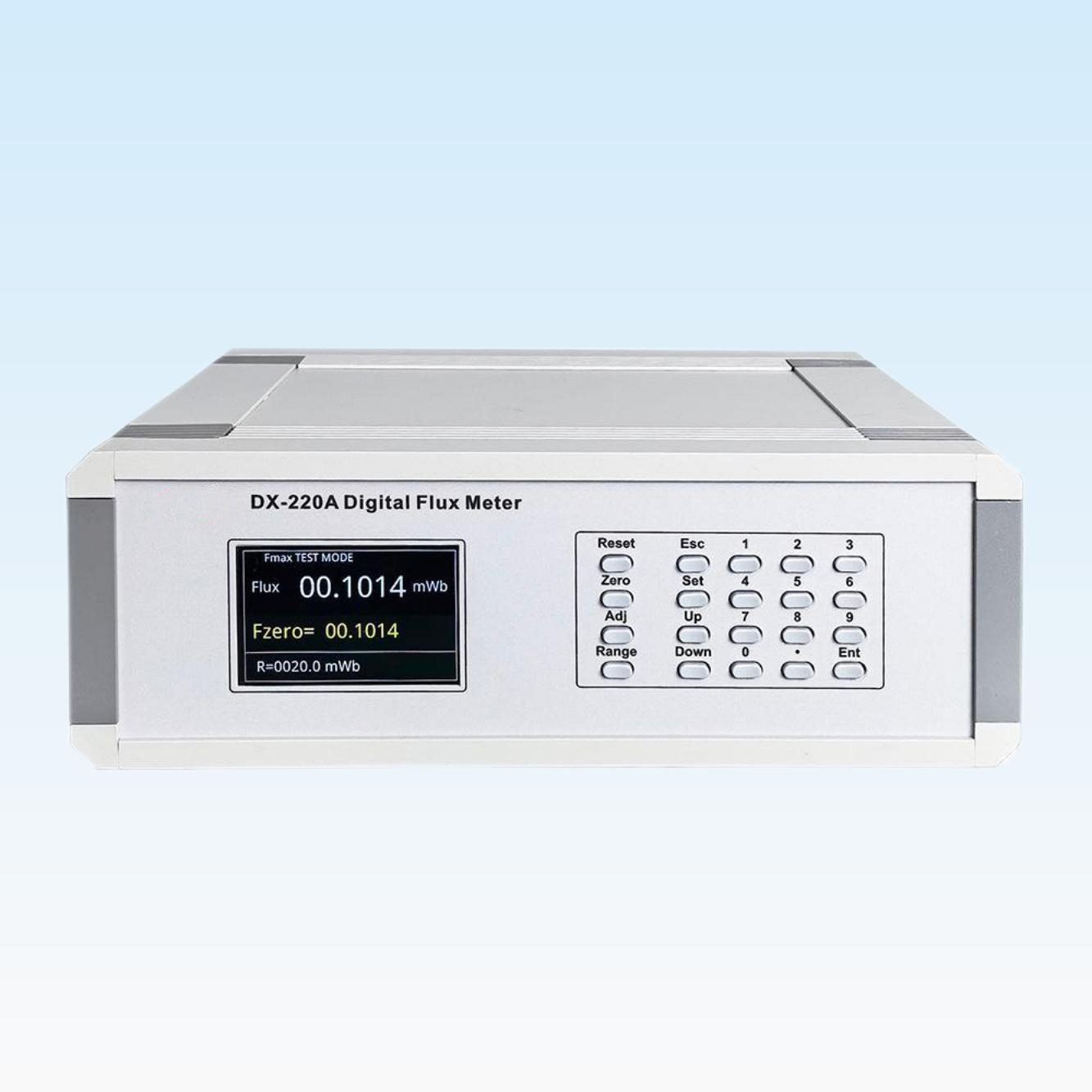
  • CMT-220A Digital Magnetic Flux Meter: digital fluxmeter; high-speed ARM processing, precision analog integrator, dynamic drift compensation; for research labs and magnetic material testing.
  • CMT-210B High-Precision Magnetic Flux Measurement Device (this page): magnetic flux by induction testing; high-speed testing, fast response, reliable data capture; for research and industrial magnetic analysis.
  • CMT-330A 3D Digital Flux Meter: 3D digital fluxmeter for magnetic vector field measurement; 24-bit AD acquisition system; for lab and industrial 3D flux mapping.
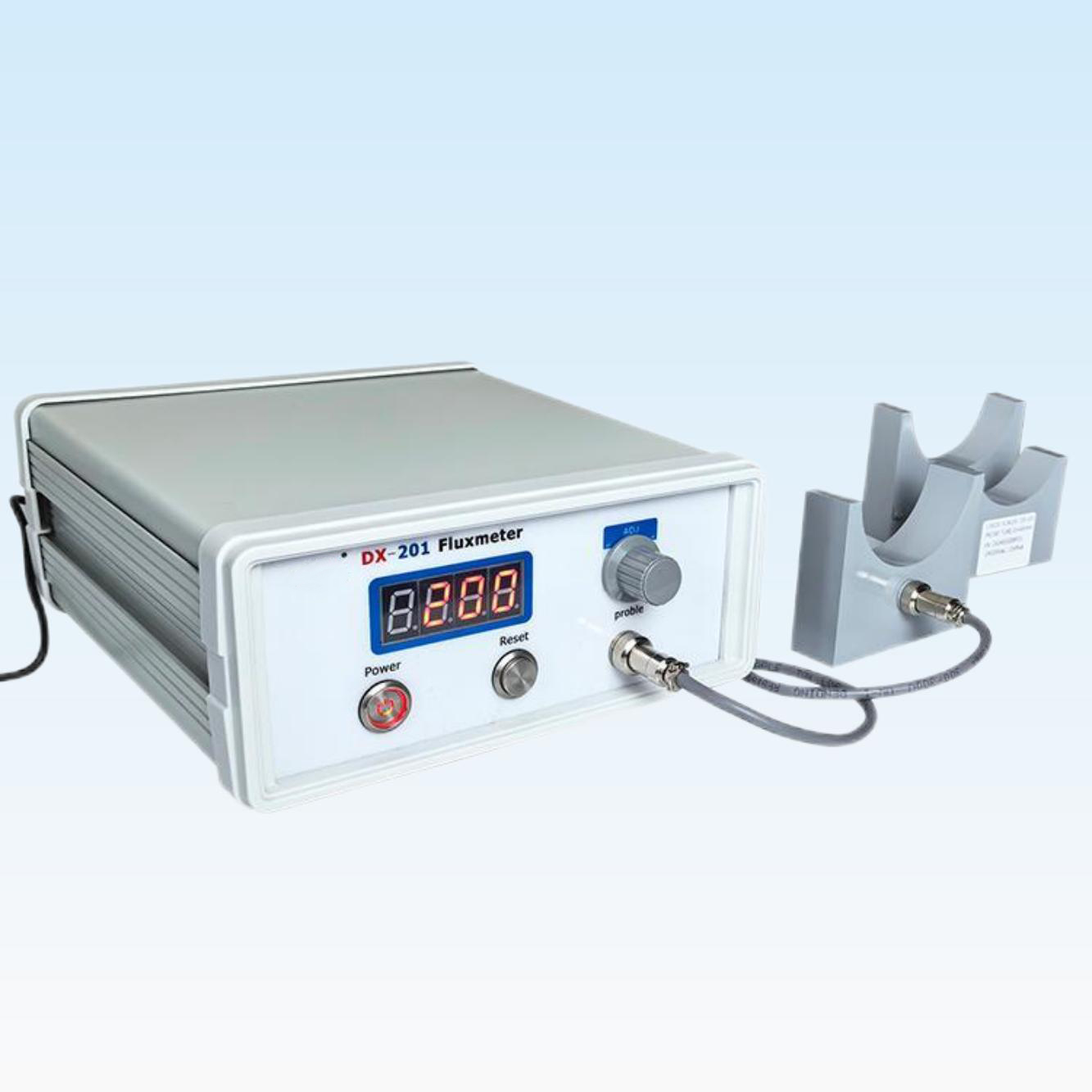
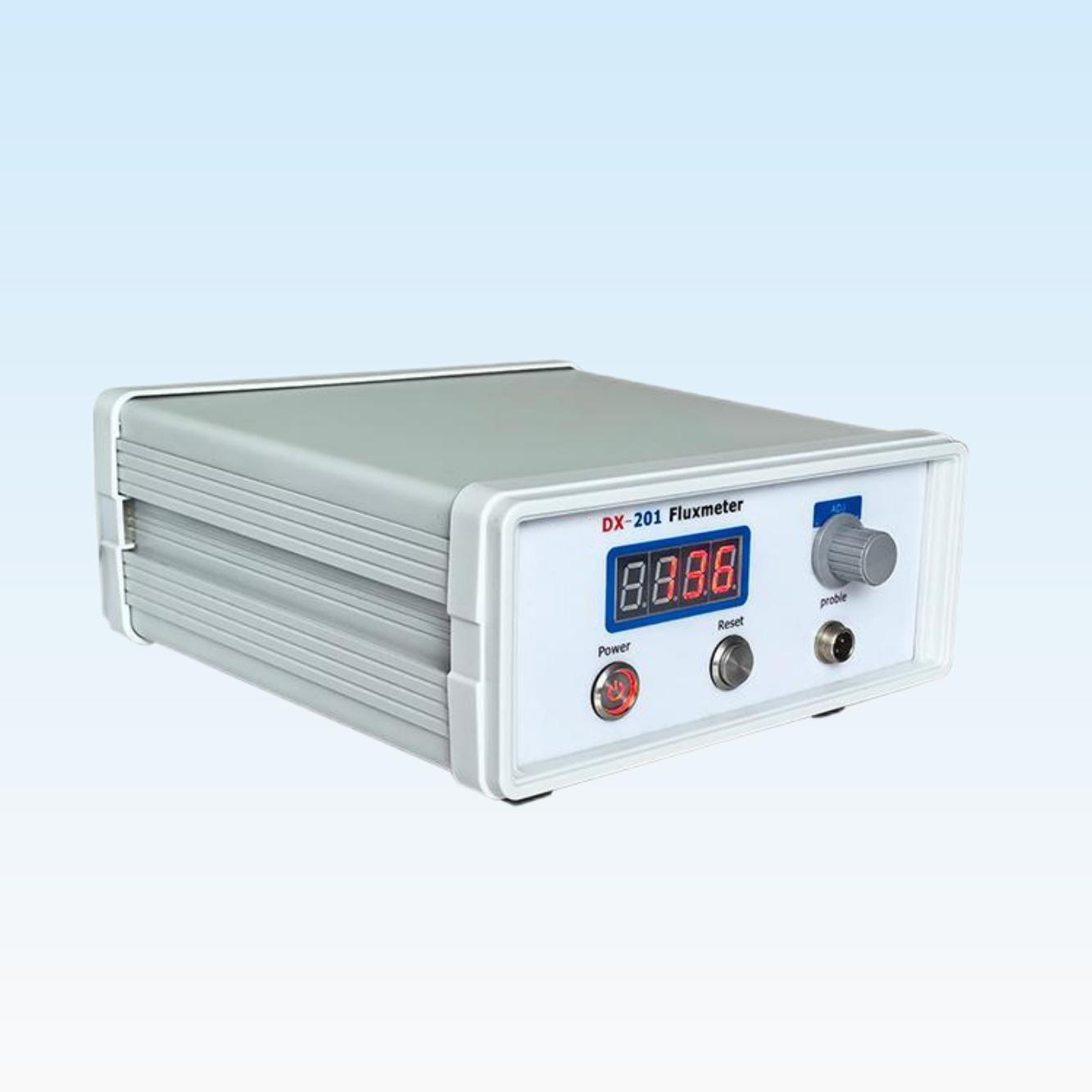
  • CMT-201 Compact Magnetic Fluxmeter: compact fluxmeter; fast response, low-drift signal integration; for pull-through tests, high repeatability.
  • Magnetic Flux Density Measurement Device (related system): system for magnetic flux and flux-density loss at varying temperatures; heated electromagnet, fluxmeter and Helmholtz coil; for thermal flux-loss testing, materials research and QC.

Selection logic

  • General flux measurement → CMT-210B (this page) or CMT-201 (compact). CMT-201 states pull-through suitability, low-drift integration and high repeatability. No numbers separate the models — confirm the specifications with Vectomag for both models before choosing.
  • Drift-critical work → CMT-220A. It is the only model stating dynamic drift compensation and a precision analog integrator; its drift figure is unpublished.
  • Vector / 3D flux mapping → CMT-330A. The only model stating 3D vector field analysis, with a 24-bit AD acquisition system.
  • Flux loss vs temperature → the related flux-density system. The only product stating temperature-dependent flux-density loss measurement, built from a heated electromagnet, fluxmeter and Helmholtz coil.
  • Range, accuracy, resolution and drift are unpublished for every model. Do not select on the comparison list alone — confirm the specification with Vectomag for the shortlisted model.

Standards and methods

Flux measurement methods are covered by standards including IEC 60404-14, IEC 60404-5, ASTM A977 and GB/T 3217. A fluxmeter measures total flux by induction: the signal from a search coil is integrated to give the total flux through the coil. When you specify a fluxmeter, state the standard and the test conditions your procedure follows, and confirm with Vectomag which conditions apply to the model you shortlist. The flux range, accuracy and test conditions are not published for this model — send them with your inquiry so the matched fluxmeter and search coil can be confirmed. The same principle applies whether the search coil moves through the field or the field itself changes while the coil is still.

What to include in your inquiry

To receive a matched fluxmeter and quotation, include:

  • What you are measuring (flux, flux density, or flux loss vs temperature)
  • Expected flux range
  • Required accuracy, resolution and drift
  • Search-coil requirements (size, turns, whether you already have coils)
  • Whether the test is pull-through, static, or 3D mapping
  • Data output/interface needs

Frequently asked questions

Q1. What does a fluxmeter measure, and how is it different from a gaussmeter?

A: A fluxmeter measures total magnetic flux by induction — the signal from a search coil is integrated to give the flux. A gaussmeter measures field strength at a point with a Hall probe — see the Handheld Gaussmeter. Use a fluxmeter when the quantity of interest is the total flux through a coil or magnet (pull-through tests, material QC); use a gaussmeter when you need the field value at a specific point.

Q2. Does the reading depend on how fast the coil is pulled through?

A: Pull-speed dependence is not published for this model. Send your pull-through test conditions with your inquiry and Vectomag will confirm the tested range.

Q3. What is drift compensation, and why does it matter?

A: The CMT-220A states dynamic drift compensation, and the CMT-201 states low-drift signal integration. Drift is the slow change in the integrated reading over time; compensation keeps the reading stable during a measurement. The drift figure itself is not published for any model — request it for the model you shortlist.

Q4. When do I need the 3D model (CMT-330A)?

A: When the measurement is a vector field or a 3D flux map rather than a single flux value. The CMT-330A is the only model stating 3D digital flux measurement and vector field analysis, with a 24-bit AD acquisition system. Its flux range and accuracy are unpublished, as for the other models.

Q5. What search coil do I need?

A: Not published for any model — coil turns, area, and compatibility are not stated. The related flux-density system description shows a fluxmeter working with a Helmholtz coil and a heated electromagnet, but no coil specification is given. Send your sample/coil details with your inquiry and Vectomag will confirm the matched coil.

Q6. What should I send to get a quotation?

A: Measurement object (flux, flux density, or flux loss vs temperature), expected flux range, required accuracy/resolution/drift, search-coil requirements, test type (pull-through, static, or 3D mapping), and data output needs — see "What to include in your inquiry" above.
Technical information

Specifications

Specifications

Specifications
ParameterValue
Model CMT-210B High-Precision Magnetic Flux Measurement Device
Measurement Magnetic flux (magnetic induction testing)
Test speed High-speed
Response Fast response
Data capture Reliable data capture

Technical resources

Pricing & availability

Request a quote for CMT-210B High-Precision Magnetic Flux Measurement Device.

Tell us about your load, required range, stability and control interface. Share your required quantity and delivery location.

Request a Quote ↗