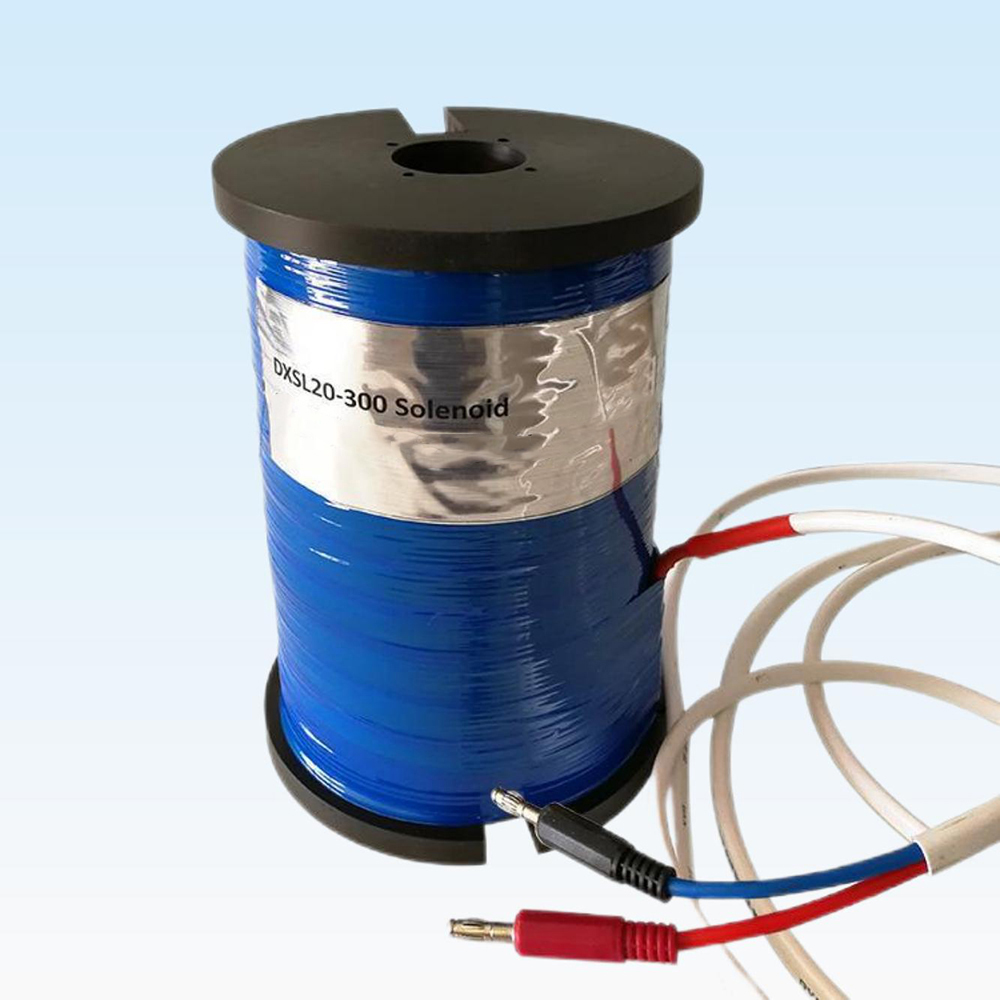
General-Purpose Magnetic Solenoid
Compact solenoid coil offering strong, uniform AC/DC magnetic fields with excellent current-field linearity. Widely used in materials, electronics, biomedical, and aerospace resear...
View productVectomag
Compact solenoid coil designed for generating high-frequency AC and pulsed magnetic fields with low inductance. Ideal for impulse magnetization and dynamic field testing.
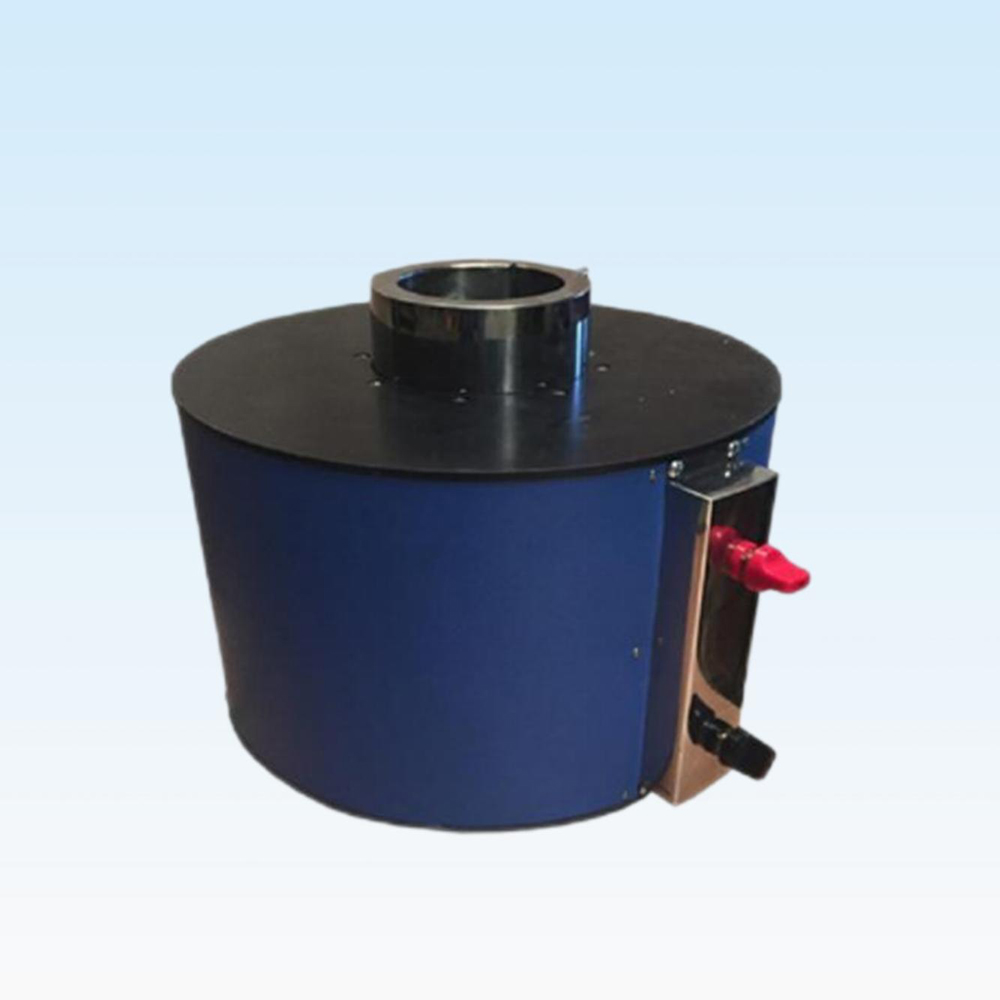 View full-size image
Compact solenoid coil designed for generating high-frequency AC and pulsed magnetic fields with low inductance. Ideal for impulse magnetization and dynamic field testing.
A solenoid is a coil of wire wound as a helix. When current flows through the winding, it produces a magnetic field along the axis of the coil. For an ideal long solenoid, the field inside is uniform and given by B = μ₀nI, where n is the number of turns per unit length and I is the current — so the field scales with the turn density and the current. Outside an ideal long solenoid, the field is near zero.
With DC operation, the field follows the current directly: a steady current gives a steady field. With AC operation, the coil inductance limits how fast the current — and therefore the field — can change, and the coil impedance rises with frequency. That is why a low-inductance coil suits high-frequency AC work: less inductance means the current can follow a faster-changing drive. With impulse operation, the field follows the current pulse, rising and falling with it, which suits pulsed experiments and impulse magnetization.
To receive a matched coil and quotation, include:
Q1. How is the field of a solenoid calculated?
A: For an ideal long solenoid, the field inside is B = μ₀nI, where n is the turns per unit length and I is the current. The field is uniform inside the coil and near zero outside. A real coil is not ideal — the field is less uniform near the ends — so the formula is a guide for the central region, not an exact value for every point.
Q2. What is the difference between an AC and a DC solenoid?
A: A DC solenoid carries a steady current and produces a steady field. An AC solenoid carries an alternating current and produces a field that changes with the current. The same coil can serve both, but AC operation is limited by inductance and impedance, which rise with frequency, while DC operation is limited by heating from the steady current.
Q3. What limits high-frequency operation?
A: Coil inductance and impedance. Inductance limits how fast the current can change, and impedance rises with frequency, so more drive voltage is needed to reach the same current at higher frequency. A low-inductance coil design reduces this limit, which is why this solenoid is built with low inductance for high-frequency AC and impulse work.
Explore more products
Browse instruments and systems for your laboratory requirements.
Compact solenoid coil offering strong, uniform AC/DC magnetic fields with excellent current-field linearity. Widely used in materials, electronics, biomedical, and aerospace resear...
View product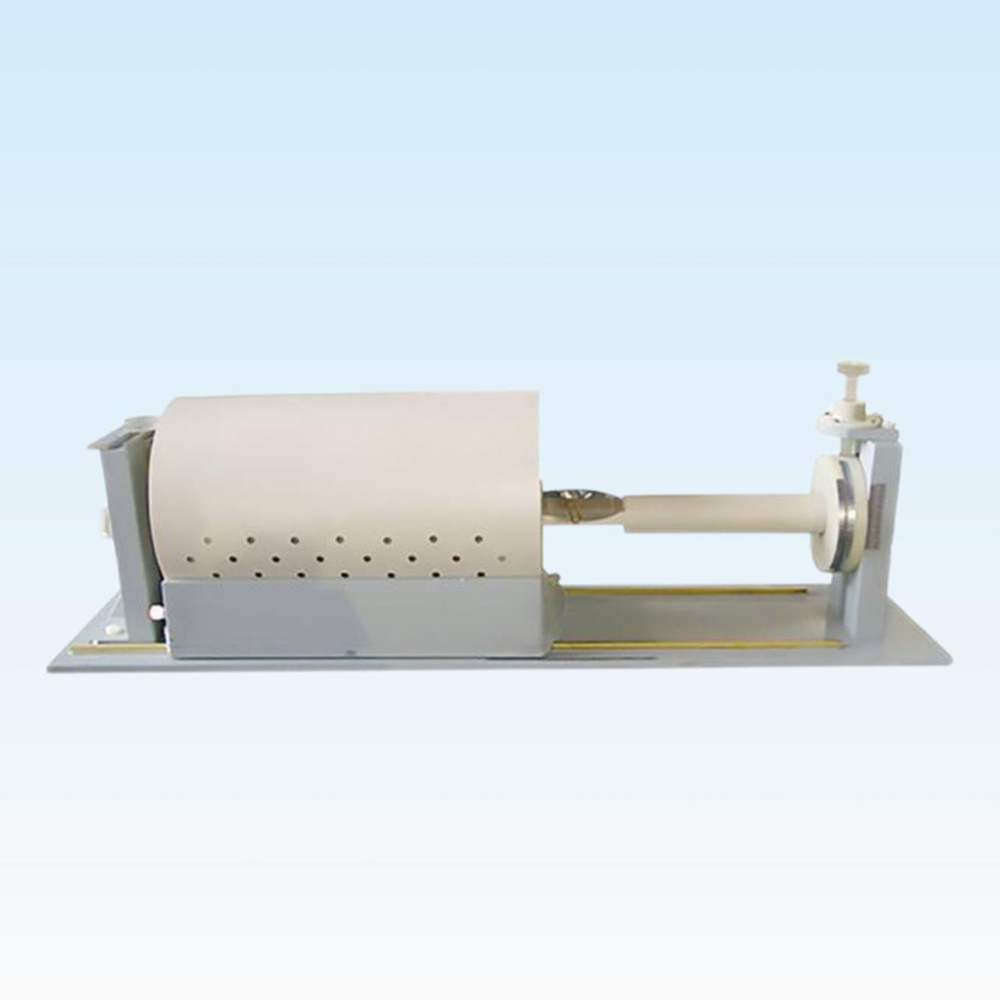
Designed to deliver exceptionally stable magnetic fields, this solenoid uses multi-layer winding configurations to enhance uniformity, making it ideal for precise calibration and t...
View product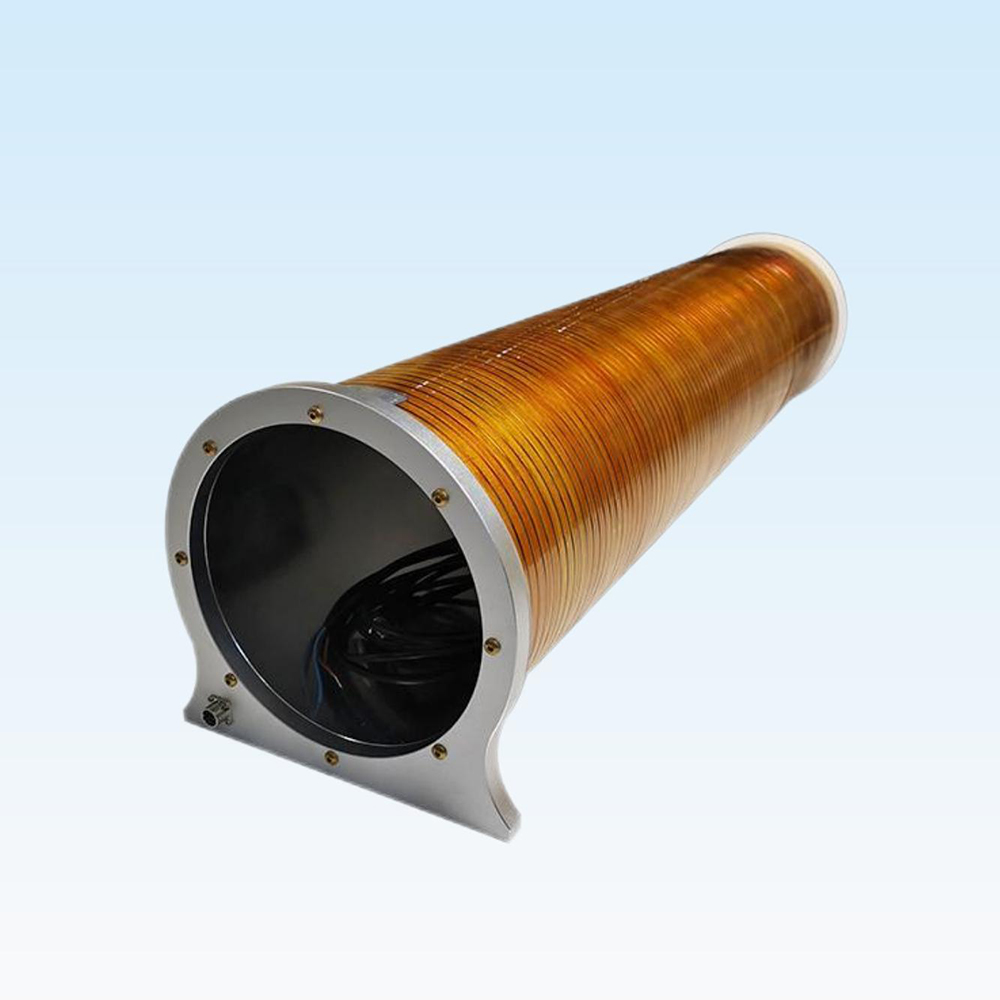
This solenoid features a nested dual-coil design that cancels external magnetic moments, enabling a stable, low-noise environment for precision magnetic field shielding.
View productPricing & availability
Tell us about your target field, uniformity, working volume and cooling requirements. Share your required quantity and delivery location.
Request a Quote ↗