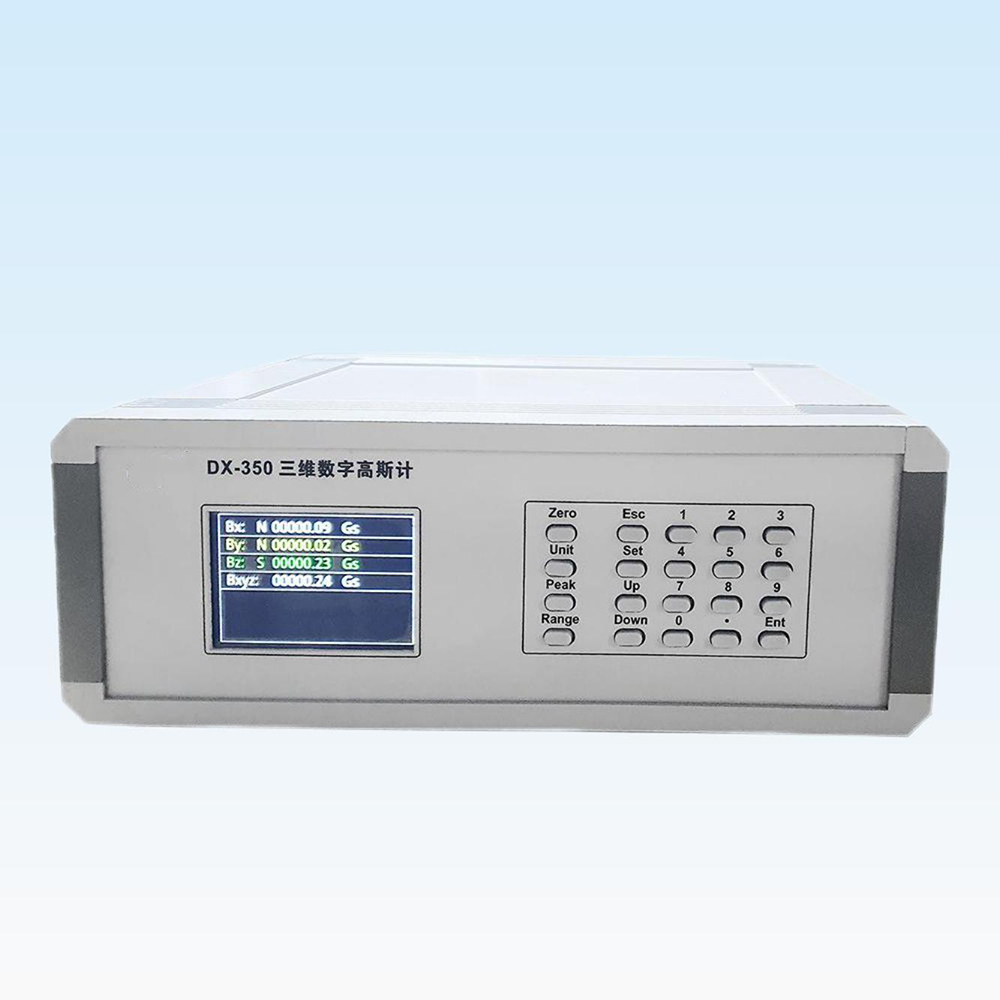
3D Gauss Meter for Multi-Directional Field Analysis
This 3D gauss meter enables real-time measurement of magnetic field strength along X, Y, and Z axes. It features ARM-based processing and synchronous multi-channel data acquisition...
View productVectomag
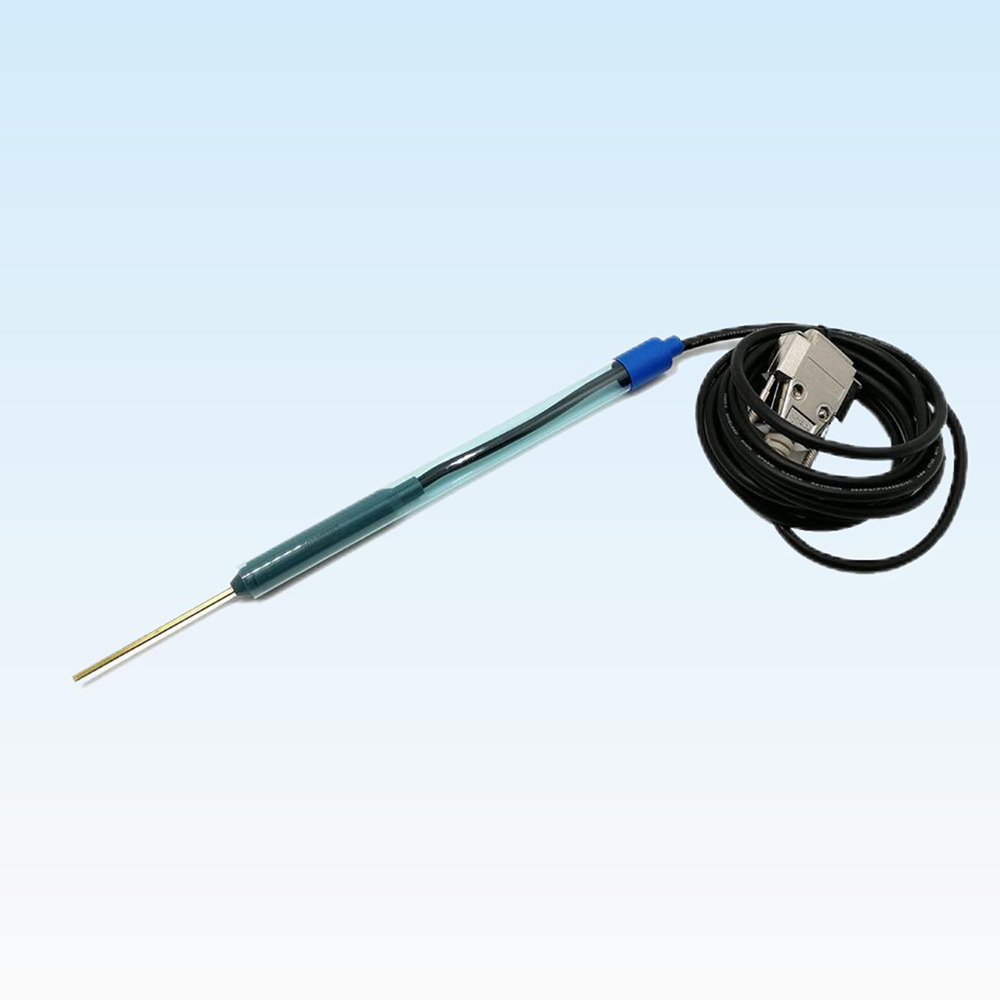
This high-sensitivity Hall probe features ultra-thin, compact sensors for transverse, axial, and 3D field detection. Offers 0.1 μT to 30 T range and 0.01% linearity.
 View full-size image
This high-sensitivity Hall probe features ultra-thin, compact sensors for transverse, axial, and 3D field detection. It offers a 0.1 μT to 30 T range and 0.01% linearity, for laboratory and industrial magnetic field sensing.
A Hall probe measures magnetic field through the Hall effect: a current-carrying sensing element produces a voltage proportional to the component of the field perpendicular to it. Which probe to use depends on the direction of the field you need to measure and the space available for the sensing element.
For a meter to pair with the probe, see the Handheld Gaussmeter.
A Hall probe is a precision sensing element. Handle it with care: avoid mechanical shock and do not drop it; do not bend a flexible probe sharply or crease the stem; keep the sensing element clean and free of dust and debris; store it away from strong stray fields and away from other magnets; and avoid pulling on the cable where it joins the probe body. If the probe has been dropped or bent, check its readings against a known field before relying on it again.
To receive a matched probe and quotation, include:
Q1. What is the difference between a transverse and an axial probe?
A: A transverse probe measures the field component across its stem, so it is held flat against the surface being measured. An axial probe measures the field component along its stem, so it is inserted along the direction of the field — for example into a bore or a magnet gap.
Q2. When should I choose a 3D probe?
A: When you need all three field components at the same point, or when the direction of the field is not known in advance. A 3D probe measures the full vector at one position, so it suits vector field mapping and checks where a single-axis probe would miss part of the field.
Explore more products
Browse instruments and systems for your laboratory requirements.
This 3D gauss meter enables real-time measurement of magnetic field strength along X, Y, and Z axes. It features ARM-based processing and synchronous multi-channel data acquisition...
View product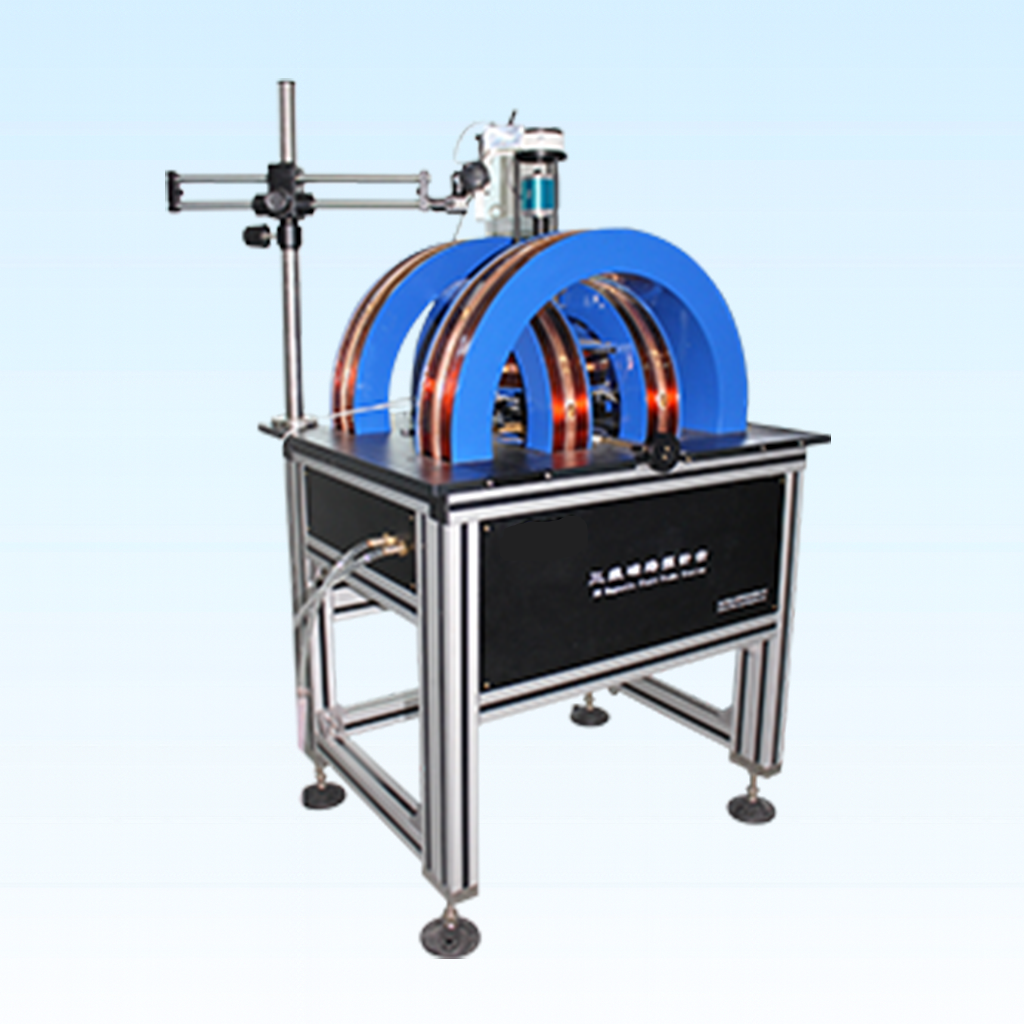
Vectomag 3D probe station with orthogonal Helmholtz coils for precise vector magnetic fields, sample rotation, and micro-probe testing.
View product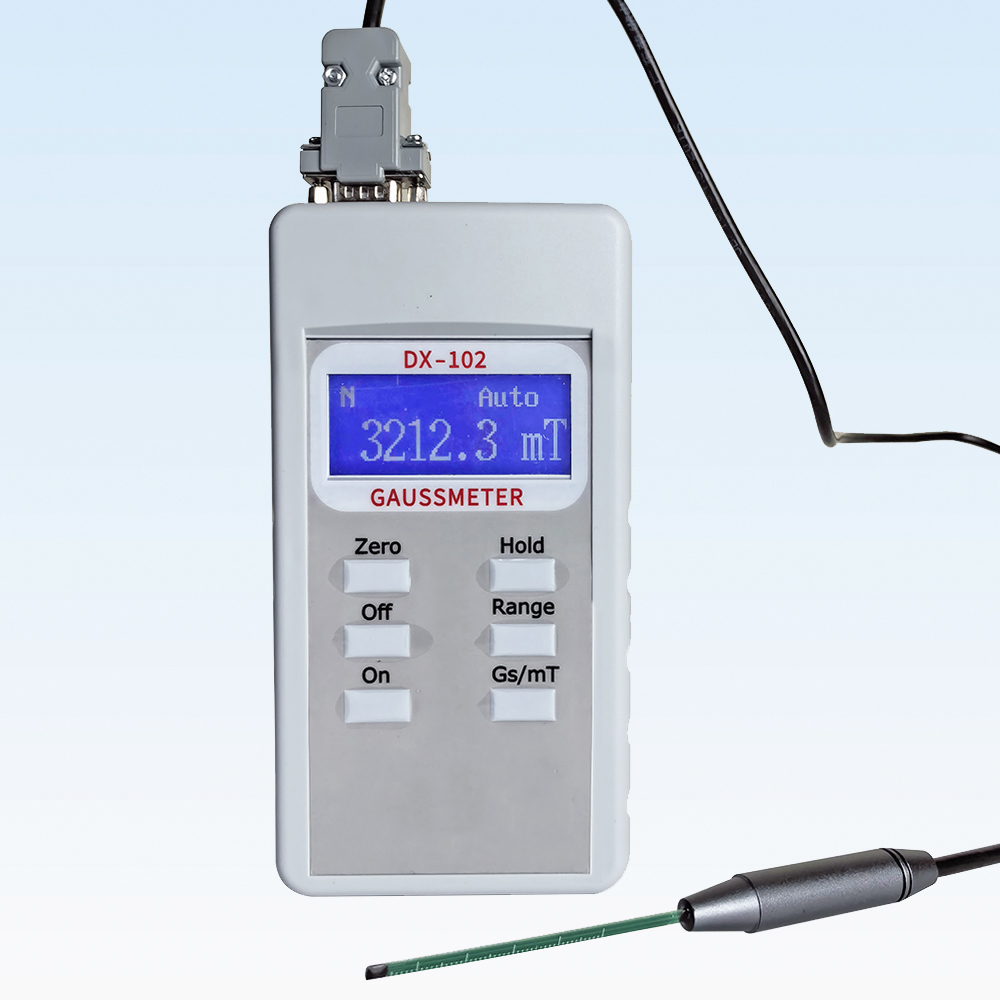
Portable DC Gauss meter with high-precision Hall sensor, real-time digital display, and replaceable probe design for easy maintenance and accurate testing.
View productPricing & availability
Tell us about your instrument, measurement range, dimensions and interface requirements. Share your required quantity and delivery location.
Request a Quote ↗